🌟 Jacuzzi, Spa & Hot Tub Repairs in Johannesburg 🌟

🌟 Ultimate Guide to Jacuzzi, Spa & Hot Tub Repairs in Johannesburg 🌟

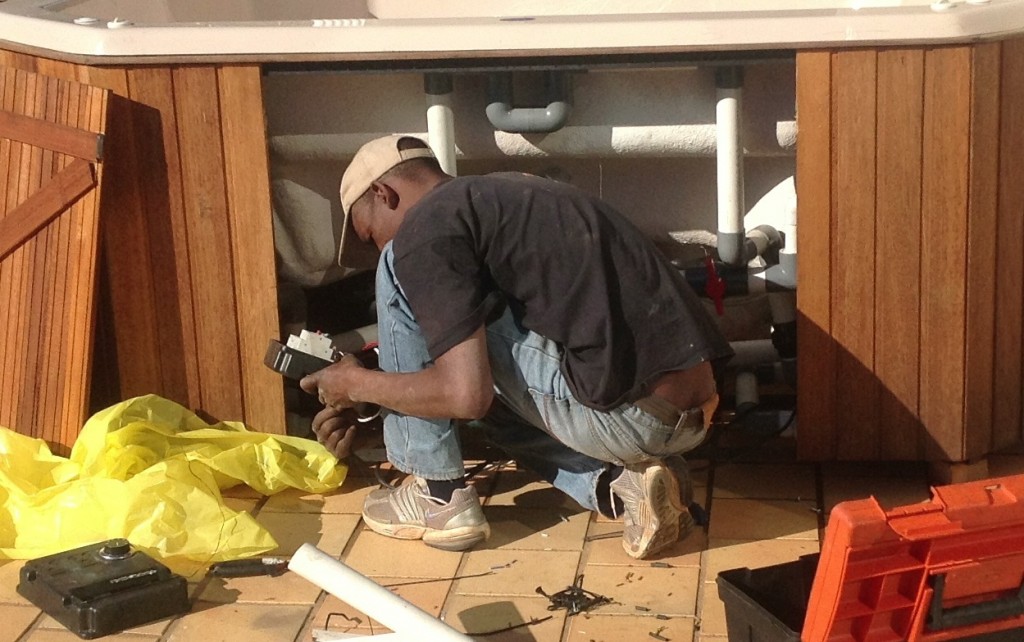
Is your Jacuzzi, spa, or hot tub acting up? Whether you’re in East Rand, West Rand, Johannesburg North, or Johannesburg South, our expert team specializes in emergency repairs, maintenance, and installations to keep your relaxation oasis running smoothly. 🛠️💦 Here’s everything you need to know about Jacuzzi care in Johannesburg!


🔧 Top Jacuzzi Repair Services in Johannesburg

From leaks to faulty jets, we’ve got you covered:

  • Jacuzzi Pump Repair/Replacement 🚿: Fix noisy pumps or replace worn-out motors.
  • Heater & Electrical Repairs 🔥: Solve heating issues or electrical faults.
  • Leak Detection & Plumbing 💧: Tackle plumbing leaks or shell cracks.
  • Control Panel & Circuit Board Repairs 🎛️: Restore malfunctioning controls or replace circuit boards.
  • Jet & Filter Maintenance 🌊: Unclog jets, replace filters, or upgrade systems.
  • Spa Cover Repairs/Replacements 🛡️: Durable replacements.

P.S. We offer same-day repairs while you wait!


🛠️ Replacement & Installation Services

Need an upgrade? We handle:

  • Pump, Heater & Motor Replacements ⚙️
  • Plumbing & Electrical Rewiring 🔌
  • LED Lights, Ozone Systems 💡
  • Full Jacuzzi Installations 🏊

All replacements come with a warranty for peace of mind!


🌿 Maintenance Tips for Your Jacuzzi in Johannesburg

Keep your spa pristine with these tips:

  1. Water Quality 💧: Test pH levels weekly and use quality chemicals.
  2. Filter Care 🧼: Clean cartridges monthly to prevent clogs.
  3. Winterizing ❄️: Drain and protect your tub during colder months.
  4. Cover Maintenance 🧽: Clean covers regularly to avoid mold.
  5. Energy Efficiency 💡: Optimize pump timers to reduce power consumption.

Avoid costly repairs with routine servicing!


🚨 Emergency Jacuzzi Repairs in Johannesburg

Facing a crisis? We offer:

  • Emergency Repairs 🆘
  • Affordable Rates 💵
  • Expert Troubleshooting 🔍 (error codes, motor noise, heating failures)

We’re your trusted partner for urgent leaks, electrical faults, or pump failures!


🌈 Why Choose Us?

  • Local Experts 🏡: Serving all areas of Johannesburg, including East Rand & West Rand.
  • Certified Technicians 👨🔧: Decades of experience in spa and hot tub repairs.
  • Transparent Pricing 💰: No hidden fees.
  • Quality Parts 🔩: Genuine Jacuzzi components for lasting repairs.

✨ Relax, We’ve Got Your Back! ✨
Don’t let a broken Jacuzzi ruin your Zen. Contact us today for quick, reliable, and professional repairs in Johannesburg. From algae treatment to circuit board replacements, we’re here to keep your spa bubbling year-round! 🌟

📞 Call now for a FREE quote or emergency assistance! 🚀
30 frequently asked questions and answers about Jacuzzis, Spas, and Hot Tubs

📚 Definitions

Q: What is a Jacuzzi? 🌀
A: Jacuzzi is a brand name synonymous with whirlpool bathtubs or hot tubs, known for their hydrotherapy jets.

Q: What is a spa? 🌿
A: A spa is a facility offering therapeutic treatments like massages, saunas, and hydrotherapy, often including hot tubs.

Q: What is a hot tub? 🔥
A: A heated pool or tub designed for relaxation, hydrotherapy, or social use, typically equipped with water jets.


🧼 Maintenance & Cleaning

Q: How often should I clean my hot tub? 📅
A: Clean monthly (or more frequently with heavy use). Scrub surfaces, clean filters, and check water chemistry.

Q: How do I maintain water quality? 🧪
A: Test water weekly, balance pH (7.2–7.8), sanitize with chlorine/bromine, and shock the water regularly.

Q: Can I use Handy Andy or Dishwashing Liquid? 🚫
A: No—it causes foaming and disrupts water chemistry. Use products designed for hot tubs.

Q: How often should I change the water? 🔄
A: Drain and refill every 3–4 months, depending on usage and maintenance.

Q: How often should I replace the filter? 🛠️
A: Rinse filters every 2–4 weeks; replace every 6 months or when visibly worn.


⚠️ Safety & Health

Q: How long can I stay in a hot tub? ⏱️
A: Limit sessions to 15–30 minutes to avoid overheating or dehydration.

Q: Are hot tubs safe for pregnant women? 🤰
A: No—high temperatures may harm fetal development. Consult a doctor first.

Q: Can children use hot tubs? 🚸
A: Supervise closely, limit time to 5–10 minutes, and keep temperatures below 95°F (35°C).

Q: Are hot tubs safe for heart conditions? ❤️
A: Consult a doctor first—heat can strain the cardiovascular system.

Q: Can I use a hot tub with a skin condition? 🩹
A: Check with a healthcare provider; some conditions may worsen with heat or chemicals.

Q: Can I drink alcohol in a hot tub? 🚫🍷
A: Avoid alcohol—it increases dehydration, dizziness, and overheating risks.


🏡 Installation & Operation

Q: How much does a hot tub weigh? ⚖️
A: Empty: (225–450 kg). When filled, weight increases significantly—ensure structural support.

Q: Can I install a hot tub indoors? 🏠
A: Yes, but ensure strong flooring, ventilation to manage humidity, and waterproofing.

Q: Can I install it on a deck? 🌉
A: Yes, if the deck supports the filled weight (water + users). Consult an engineer if unsure.

Q: How long does heating take? ⏲️
A: Typically 4–5 hours, depending on heater power, starting temperature, and insulation.

Q: Are hot tubs energy-efficient? 🌟
A: Modern models have better insulation and efficient heaters.


💡 Usage Tips

Q: Can I use essential oils or bath bombs? 🧴
A: Avoid bath bombs (cause foam/residue). Use only oils approved for hot tubs to avoid equipment damage.

Q: Can I exercise in a hot tub? 🏊
A: Yes—low-impact exercises like water aerobics are ideal due to buoyancy reducing joint stress.

Q: Can I use it in winter? ❄️
A: Yes, but insulate pipes, use a sturdy cover, and ensure proper heating to prevent freezing.


🔧 Troubleshooting & Repairs

Q: How do I troubleshoot issues? 🛠️
A: Check water quality, ensure proper water level, inspect pumps/heaters, and consult the manual.

Q: Should I leave my hot tub running 24/7? 💡
A: Use a timer or energy-saving mode to reduce wear and costs. Keep it on if temperatures drop below freezing.

Q: How do I winterize my hot tub? 🧊
A: Drain completely, blow out plumbing lines, add antifreeze (if needed), and cover securely.


🌈 Miscellaneous

Q: What are the benefits of hot tubs? 💆♂️
A: Relieves muscle tension, reduces stress, improves sleep, and aids in recovery through hydrotherapy.

Q: Are hot tubs expensive to operate? 💸
A: Costs vary, but expect higher electricity/water bills. Energy-efficient models and covers help reduce expenses.


📝 Note: Always follow manufacturer guidelines and consult professionals for installation, repairs, or health-related concerns.

Maintaining the water quality in your spa

Maintaining the water quality in your spa

Maintaining the water quality in your spa is essential to ensure a clean and enjoyable experience. Here are some steps to help you maintain your spa water:

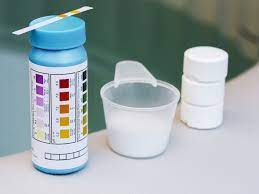
  1. Test the Water: Use a water testing kit specifically designed for spas to measure the pH, sanitizer (such as chlorine or bromine) levels, total alkalinity, and calcium hardness. Test the water at least once a week or as recommended by the manufacturer.
  2. Adjust pH Levels: The pH level of your spa water should be between 7.2 and 7.8 for optimal conditions. If the pH is too high, add a pH decreaser (such as sodium bisulfate) according to the manufacturer’s instructions. If the pH is too low, use a pH increaser (such as sodium carbonate).
  3. Maintain Sanitizer Levels: Sanitizers like chlorine or bromine help kill bacteria and keep the water clean. Follow the manufacturer’s instructions to maintain the recommended sanitizer level in your spa. Regularly test the sanitizer level and adjust as needed.
  4. Shock Treatment: Perform regular shock treatments to eliminate contaminants and maintain water clarity. Shocking the water involves adding a higher dose of sanitizer to quickly break down organic matter. Follow the instructions on the shock treatment product and wait for the appropriate time before using the spa again.
  5. Clean and Balance the Water: Use spa-specific chemicals to balance the total alkalinity and calcium hardness of the water. These levels affect the water’s ability to maintain the proper pH and prevent scaling or corrosion.
  6. Filtration and Circulation: Ensure that your spa’s filtration system is functioning correctly. Clean or replace the filters regularly as recommended by the manufacturer. Run the circulation system for a few hours each day to keep the water moving and promote proper filtration.
  7. Water Replacement: Over time, the water in your spa will accumulate dissolved solids and contaminants that cannot be effectively removed by chemicals alone. Drain and refill the spa water periodically, following the manufacturer’s guidelines.
  8. Regular Cleaning: Clean the spa surfaces, including the walls, seats, and jets, using spa-specific cleaning products. Remove any debris or leaves from the water regularly.
  9. Cover Your Spa: When not in use, keep your spa covered to prevent debris from falling in and to minimize the evaporation of water and chemicals. A well-insulated cover also helps maintain the water temperature.
  10. Regular Maintenance: Follow the manufacturer’s guidelines for regular maintenance tasks, such as inspecting and maintaining the spa’s equipment, including pumps, heaters, and jets.

Remember to always follow the specific instructions provided by your spa manufacturer and consult a professional if you encounter any persistent water quality issues or concerns.

10 Seater Jacuzzi Installed in Wooden Surround

10 Seater Jacuzzi

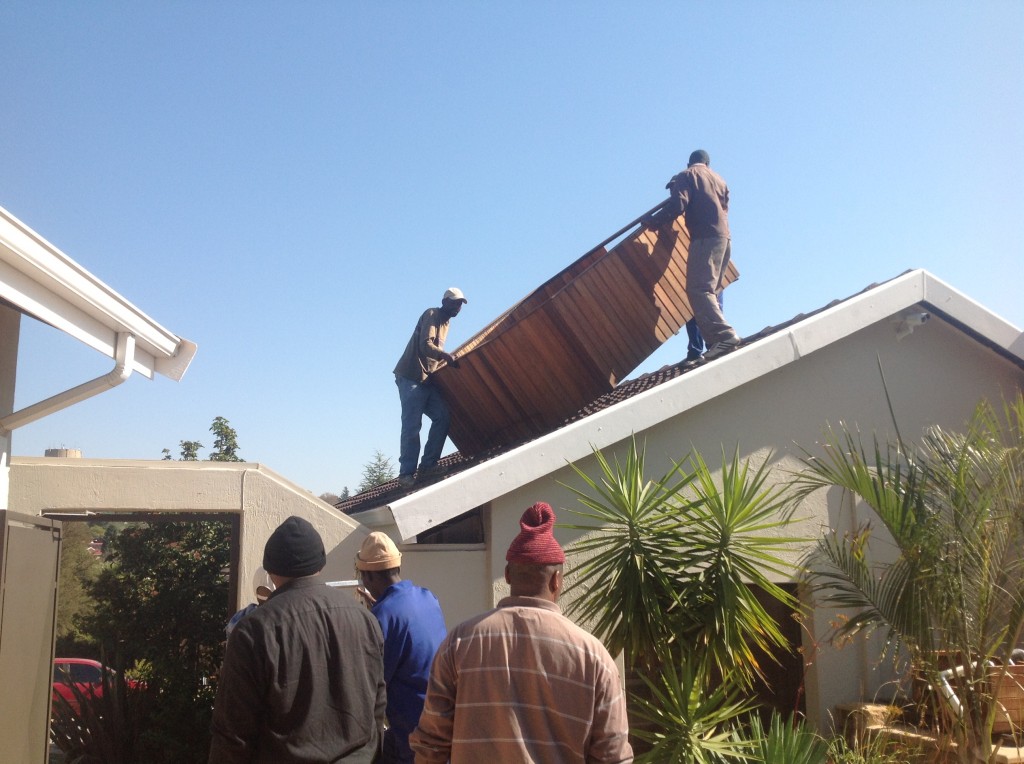
Sometimes people want their 10 Seater Jacuzzi installed in the most impossible places.

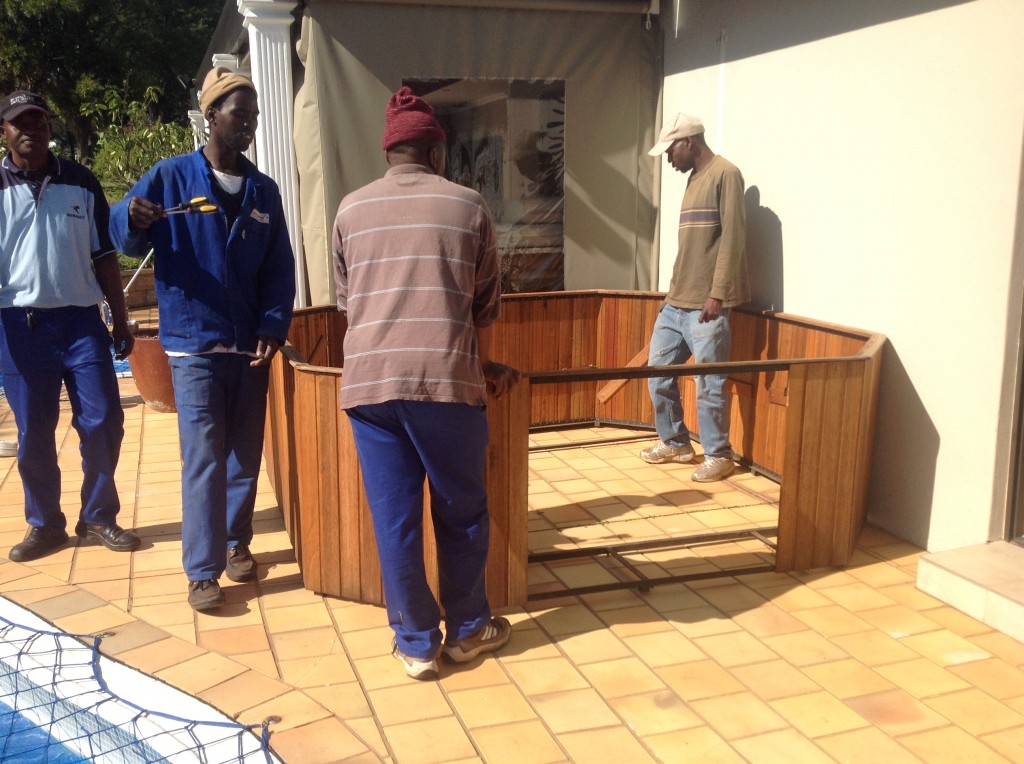
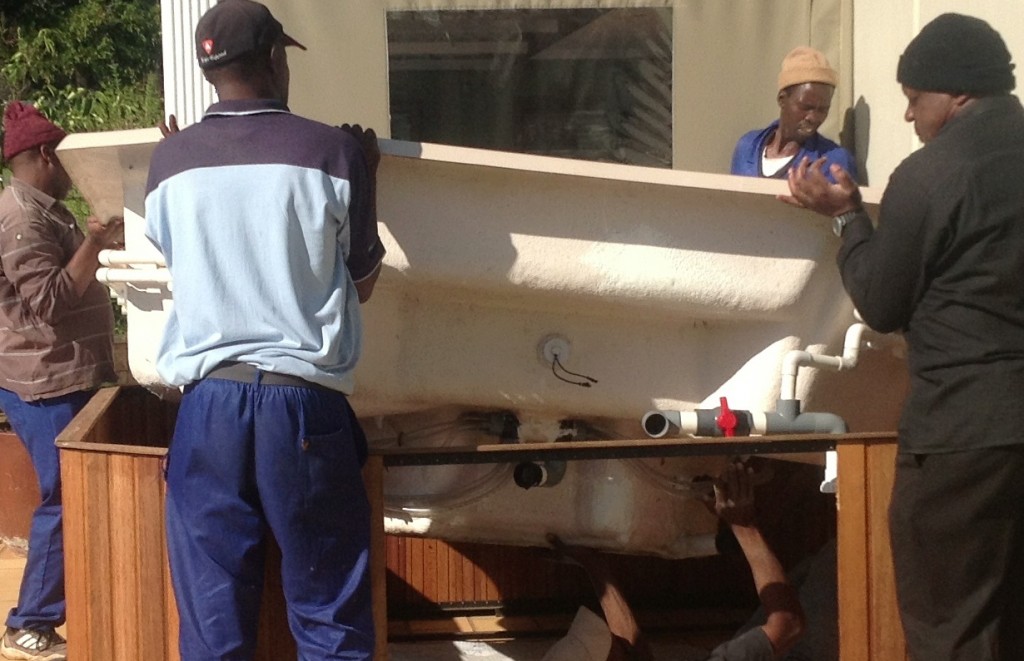
Here we are seen taking a 10 Seater Jacuzzi in a Meranti Wooden Surround over a roof and installing it next to the pool.

NOTE: WHEN CARRYING SUCH A LARGE JACUZZI IT IS BEST PRACTICE TO DISASSEMBLE IT AND CARRY EACH COMPONENT SEPARATELY. IF YOU NEED HELP MOVING YOUR 10 SEATER JACUZZI, PLEASE CONTACT US NOW!!

10 Seater Square Jacuzzi brought over the roof


10 Seater Square Jacuzzi brought over the roof 3
10 Seater Square Jacuzzi Wooden Surround placed where it must be installed.


10 Seater Square Jacuzzi placed in meranti wooden surround


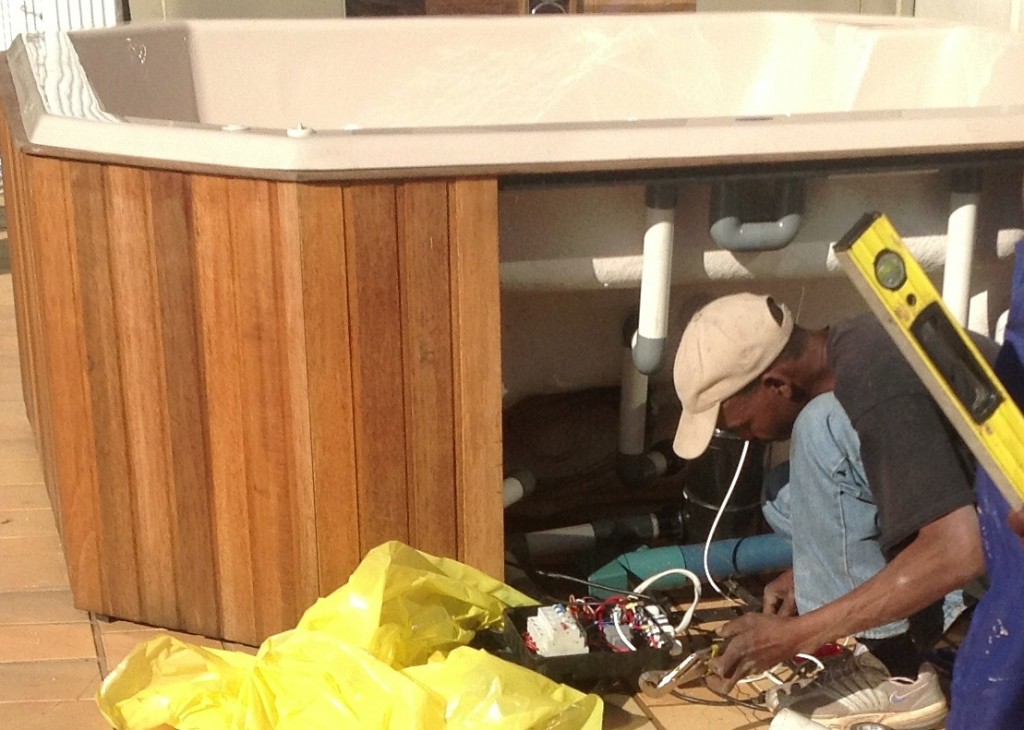
installing a 10 Seater Jacuzzi in a wooden surround


installing a 10 Seater Jacuzzi in a wooden surround

I have a 4 seater Jacuzzi without a blower. Is it possible to install a blower?

Micro Air Jets

Jacuzzi Air Channel Ferrels

If there are small holes in the seat or small Micro air jets with pipes attached to them leading to a manifold system, then you just buy a Jacuzzi Air Blower Motor and a 50 mm Black “Union” and Tangit PVC weld and you can change it yourself. an Electrician might have to install it in the Jacuzzi Electrical Box.

If you are a D.I.Y. type of person, you could open the DB Box and then check where the old wires were in and then just match the colors of the wires on the new Jacuzzi Air Blower to the old ones.

PLEASE NOTE: WHENEVER YOU WORK ON YOUR JACUZZI ELECTRICAL BOX, OR ANY ELECTRICAL COMPONENT ON THE JACUZZI, SWITCH IT OFF – NOT ONLY IN THE DB BOX, BUT ALSO AT THE MAIN SUPPLY IN THE HOUSE. YOU NEVER KNOW WHAT BOMB MECHANIC / TECHNICIAN WIRED THAT DB BOX.

If there are no holes or jets in the seats and your Jacuzzi is in a Wooden Surround, its easy, you unscrew the pump system lift the Jacuzzi out. Do the installation of the air channel, and then re-install it in the box.

Installing the Jacuzzi Air Channel includes: Drilling holes in the seat and then attaching the micro jets with silicon. Once this is done the manifold system is installed. The manifold, which consists of three parts, is used to disperse the air through 10 mm pipes that are attached to each micro jet in the seat. A normal 2 manifold system, joined with a T-piece, can take up to 8 micro air jets.

If there are no holes or jets in the seats and your Jacuzzi is in a brick installation or cannot be accessed from underneath, I must warn you that this experiment could be costly, Brick work most of the time require cutting of pipes, breaking tiles, chopping cement, dismantling decks and the list goes on. Re-installing it requires that the support on the foot well should be redone from scratch.

If you want to know more about how your blower works Click Here!!

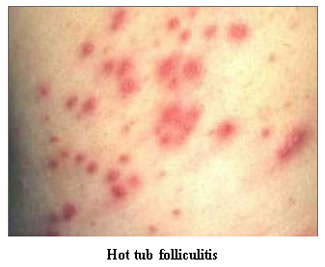
Hot tub folliculitis (Hot Tub Rash) – Wikipedia, the free encyclopedia

Hot Tub Rash Picture

Hot Tub Rash

Hot tub folliculitis (also known as Pseudomonas aeruginosa folliculitis) is a common type of folliculitis, a condition which causes inflammation of the hair follicle.[1]:272

This condition is caused by an infection of hair follicles due to the bacteria Pseudomonas aeruginosa. The bacteria is commonly found in hot tubs, water slides, and such places. Children are more prone to this because they usually stay in the water longer than adults. Hot tub folliculitis appears on the skin in the form of a rash, roughly resembling chicken pox and then developing further to appear as a pimple. Hot tub follicultis can be extremely painful and/or itchy, and left alone without scratching will go away much more quickly. If the rash is aggravated, it can stay, worsen, and spread lasting for months. By that point it is much more difficult to treat. The dots usually go away after about 7 to 10 days, but the condition leaves a hyperpigmented lesion that goes away after a few months.

Legionella is another bacteria associated with hot tub folliculitis.

Normally, the rash does not need specific treatment and will go away on its own. Antibiotics may be prescribed in some cases. If the rash continues to appear longer than the 7 to 10 day time period, a physician should be consulted. Folliculitis that is not treated properly could worsen and cause abscesses.

See also

via Hot tub folliculitis – Wikipedia, the free encyclopedia.

Dermatopedia | A Dermatology guide and database for Patients » Hot Tub Folliculitis

Hot tub folliculitis is an itchy, red, bumpy rash that occurs within 1-4 days of bathing in a hot tub, whirlpool, or public swimming pool. As water temperature rises, changes occur in the amount of free chlorine.

This alters the ability of the chlorine to kill bacteria, and the bacteria then grow. The most commonly associated bacteria is Pseudomonas aeruginosa. The bacteria infect the hair follicles and cause red bumps and pus or pimple like bumps to develop.

Areas that are typically affected include the sides of the torso, armpits, buttocks, arms, thighs and breasts. Earaches, sore throat, headache, fever and malaise have been associated with the rash. Rarely, the infection can spread to the blood.

Treatment:

The rash tends to go away on its own without treatment in 7-14 days, but sometimes antibiotics may be applied to the skin or taken by mouth to hasten resolution of the rash. Preventative measures include water filtration, automatic chlorination to maintain free chlorine at 1 ppm, maintaining water pH between 7.2 and 7.8, and changing water.

Reference:

James WD, Berger TG, Elson DM. Andrews’ diseases of the skin: clinical dermatology, 10th edition. Saunders, 2005.

Angela Leo, D.O.

Department of Dermatology

Philadelphia College of Osteopathic Medicine/Frankford Hospital

Philadelphia, Pennsylvannia.

via Dermatopedia | A Dermatology guide and database for Patients » Hot Tub Folliculitis.


When I press the buttons on my Jacuzzi Nothing Happens?

Jacuzzi Mushroom Air Buttons

Try to lift the button up and see if there is an air pipe attached to the back of the button. If there is no pipe then that is the problem.

If there is a pipe, go to the Jacuzzi Electrical Box and look on the side somewhere for air pipes attached to white or sometimes black switches.

If all the pipes are in, then the component your trying to switch on might be faulty.

And please make sure all the switches in the Jacuzzi Electrical Box are up, LOL.

Why is my bath not heating?

Jacuzzi Thermostat

Answer: If you have switched the bath on and off before and it suddenly stops working, the first thing you should check is if the Thermostat is making a clicking sound when you turn it from left to right.

If its not clicking it might be faulty. If it is clicking, then your heater is most probably the problem. Please what ever you do, don’t use a geyser element when replacing the heater.

error: Stop What Your Doing!! Content is protected !!