
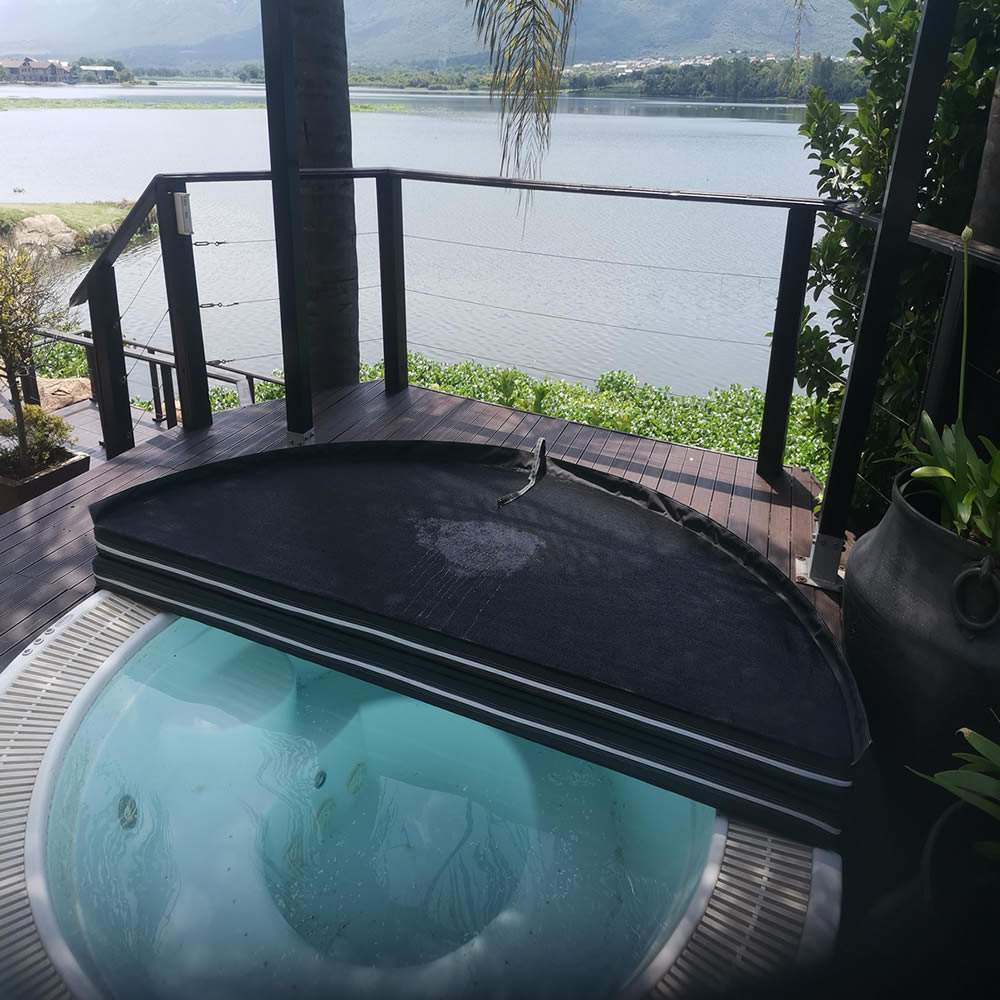
Jacuzzi Sales/Repairs/Installations Johannesburg
Jacuzzi Repairs Johannesburg
Why Choose Us for Jacuzzi Repairs in Johannesburg?
-
Emergency Repairs: Fast response to burst pipes, electrical faults, and urgent Jacuzzi, Hot Tub and spa crises.
-
Certified Technicians: Expertise in all brands, including Balboa systems, portable units, and luxury models.
-
Transparent Pricing: Affordable, upfront quotes with no hidden costs. Ask about our Call Out Fee.
-
Mobile Jacuzzi Repair Service: Same-day solutions across Johannesburg and surrounds.
Luxury Repairs & Smart Upgrades
Specializing in high-end spas, in-ground units, and Wi-Fi system integrations—your luxury retreat deserves expert care.
Your relaxation is our priority. Fast, Affordable, Expert—The Spa Specialist Promise!
Areas we service:
We Deliver & Install Jacuzzi Covers Across Johannesburg & Gauteng
The Spa Specialist is your trusted local expert for premium Jacuzzi covers throughout the entire Gauteng province. No matter where you are, we offer free delivery and professional installation directly to your home.
We proudly serve the following comprehensive list of areas:
Northern Johannesburg & JHB North Suburbs
Sandton, Randburg, Fourways, Midrand, Bryanston, Morningside, Rivonia, Rosebank, Parkhurst, Parktown, Parkwood, Houghton Estate, Craighall Park, Dunkeld, Hyde Park, Sunninghill, Woodmead, Strijdom Park, Northriding, Lanseria, Northcliff, Roodepoort, Constantia Kloof, Northgate, Dainfern, Cedar Lakes, Kyalami, Waterfall, Ferndale, Greenside, Linden, Blairgowrie, Weltevredenpark, Bromhof.
Southern Johannesburg & JHB South Suburbs
Glenanda, Bassonia, Mulbarton, Oakdene, Mondeor, Robertsham, Ormonde, Southdale, Rosettenville, Turffontein, Winchester Hills, Aeroton, Naturena, Kibler Park, Alan Manor, The Hill, Risana, Glenvista, Ridgeway, Meadowlands, Soweto, Diepkloof, Baragwanath, Lenasia, Ennerdale, Lawley, Eldorado Park, Protea Glen, Klipspruit.
Eastern Suburbs & The East Rand (Ekurhuleni)
Germiston, Boksburg, Benoni, Alberton, Alberante, New Redruth, Brackendowns, Meyerspark, Bedfordview, Edenvale, Kempton Park, Tembisa, Springs, Brakpan, Nigel, Primrose, Jet Park, Isando, Vosloorus, Katlehong, Daveyton, Actonville, Birchleigh, Crystal Park, Dunswart.
Western Johannesburg & JHB West Suburbs
Auckland Park, Cresta, Fairland, Floracliffe, Helderkruin, Weltevredenpark, Melville, Sophiatown, Newlands, Horizon View, Witpoortjie, Cosmo City, Zandspruit, Honeydew, Wilgeheuwel, Strubensvalley, Helderkruin.
Central Johannesburg & Surrounds
Johannesburg CBD, Braamfontein, Yeoville, Berea, Hillbrow, Troyeville, Jeppestown, Mayfair, Fordsburg, La Rochelle, Malvern, Rosettenville, The Wemmer, Selby.
We Also Cover These Major Gauteng Regions:
-
Pretoria & Tshwane: Centurion, Pretoria East, Pretoria North, Pretoria West, Garsfontein, Lynnwood, Faerie Glen, Irene, Midstream, Soshanguve.
-
The West Rand: Krugersdorp, Kagiso, Magaliesburg, Muldersdrift, Randfontein.
-
The Vaal Triangle: Vanderbijlpark, Vereeniging, Sasolburg.
Don’t see your exact area listed?
We likely still cover you! As the leading Jacuzzi cover supplier in Gauteng, our delivery network is extensive. Simply contact us to confirm we service your location.
Why Such a Wide Reach?
We believe everyone in Gauteng deserves a quality, energy-efficient spa cover. Whether you’re searching for:
-
“Jacuzzi covers near me”
-
“Spa cover replacement Randburg”
-
“Hot tub covers in the East Rand”
-
“Jacuzzi cover installation Sandton”
…The Spa Specialist is your guaranteed local solution with province-wide service.
We can assist with the following:
-
Jacuzzi Shell:
-
Role: The foundation and bathtub itself. It holds the water and supports all other components. Made from durable, waterproof materials (like acrylic or fiberglass-reinforced composite) designed to withstand water, heat, chemicals, and user weight.
-
How it Works: Provides the structure, water containment, and seating/lying surfaces. All jets, drains, and returns are plumbed directly into it.
-
-
Jacuzzi Hydro Therapy Massage Jets:
-
Role: Deliver the therapeutic water and air massage.
-
How it Works: Pressurized water from the jet pump(s) is forced through these nozzles. Many jets have adjustable direction and some have adjustable flow or incorporate air (via the Venturi system) to create different massage sensations (pinpoint, pulsating, swirling).
-
-
Jacuzzi Jet Pumps:
-
Role: Provide the high-pressure water flow that powers the hydrotherapy jets.
-
How it Works: Electric motors drive impellers that suck water from the filter/suction line and push it at high pressure through the plumbing to the jets. Larger spas often have multiple pumps for different jet zones.
-
-
Jacuzzi Lights:
-
Role: Provide underwater illumination for safety, ambiance, and nighttime use.
-
How it Works: Low-voltage, waterproof LED lights are sealed into niches in the shell. They are controlled by the spa’s control system (often via the topside control panel) and can frequently change colors or have different modes.
-
-
Jacuzzi Air Blower:
-
Role: Creates intense bubbling action (like a hot tub “bubble bath”) and can force air into specific jets for a different massage feel.
-
How it Works: An electric fan draws in air and forces it through dedicated air lines connected either to specific air channels in certain jets or to a central air diffuser ring. Note: Different from the Venturi air system which uses water pressure to suck air in.
-
-
Jacuzzi Filters:
-
Role: Trap dirt, debris, oils, and other contaminants to keep the water clean and protect the pumps and heater.
-
How it Works: Water is constantly drawn through the filter cartridges (made of pleated fabric or paper) by the jet pumps and circulation pump. Debris gets trapped on the filter media. They require regular cleaning and periodic replacement.
-
-
Jacuzzi Electrical Distribution Box (Load Center / Control Box / Pack):
-
Role: The central nervous system and power hub of the spa. Contains circuit boards, relays, transformers, fuses/breakers, and wiring terminals.
-
How it Works: Distributes power safely to all components (pumps, heater, blower, lights, controls). The main circuit board processes signals from thermostats, controls, and sensors to turn components on/off automatically (e.g., activating heater when temp drops, running filtration cycles).
-
-
Jacuzzi Venturi System:
-
Role: Mixes air with the pressurized water stream at the jet to create a softer, more voluminous, and oxygenated massage effect.
-
How it Works: As high-pressure water rushes through a constriction in the jet nozzle, it creates a low-pressure zone that sucks air in through a small air intake valve (often adjustable) located near the jet on the spa shell. The air and water mix just before exiting the jet.
-
-
Jacuzzi Bellow Buttons (Bellows Buttons):
-
Role: Simple mechanical air controls usually located near specific jet groups on the spa shell.
-
How it Works: Pressing the button pushes a rubber bellows, forcing a puff of air directly into the jet’s water stream via a dedicated air line. This provides a temporary burst of bubbles or intensifies the jet action for that specific area. (Often simpler than the Venturi air controls).
-
-
Jacuzzi Two-Way and Four-Way Air Switches:
-
Role: Topside controls that activate/deactivate major functions like the jet pumps and air blower using air pressure instead of electricity for safety.
-
How it Works: Pressing a button pushes air down a small plastic tube connected to a pneumatic switch (diaphragm) inside the control box. The air pressure moves the diaphragm, which actuates electrical micro-switches that signal the control board to turn the corresponding component on or off.
-
-
Jacuzzi Waste Valve (Drain Valve):
-
Role: Allows you to completely drain the spa water for cleaning, maintenance, or winterization.
-
How it Works: Typically a simple manual ball valve or gate valve plumbed into the lowest point of the spa’s plumbing system (often near the pump/filter area). Opening it allows water to gravity-drain out through a connected hose bib.
-
-
Jacuzzi Thermostat:
-
Role: Monitors the water temperature and signals the control system when heating is needed.
-
How it Works: A temperature sensor (often a thermistor) immersed in the water flow (usually near the heater) constantly reads the temperature. It sends this data to the control board. If the temp is below the set point, the board activates the heater.
-
-
Jacuzzi Water Heater:
-
Role: Heats the spa water to the desired temperature.
-
How it Works: Water is circulated through a heating element (electric resistance coil, often titanium) or over a heat exchanger (for gas or heat pump systems) by the circulation pump or jet pump. The thermostat controls when the heater turns on/off. A high-limit thermostat acts as a safety shut-off if temperatures get dangerously high.
-
-
Jacuzzi Covers:
-
Role: Insulation, safety, debris protection, and evaporation reduction.
-
How it Works:
-
Insulation: Traps heat rising from the water surface, significantly reducing heating costs and maintaining temperature.
-
Safety: Provides a physical barrier, especially crucial for preventing unsupervised children/pets from falling in.
-
Debris: Keeps leaves, dirt, rain/snow, and insects out of the water.
-
Evaporation: Minimizes water loss and reduces humidity around the spa.
-
Chemical Retention: Helps prevent chlorine/bromine from dissipating quickly.
-
-
Preparing the Surface for Your Rim Flow Jacuzzi Installation in Johannesburg
Installing a stunning Rim Flow Jacuzzi is exciting, but a successful, long-lasting installation starts with proper surface preparation. Here’s what you need to know for your Johannesburg home:
Critical Surface Requirements:
-
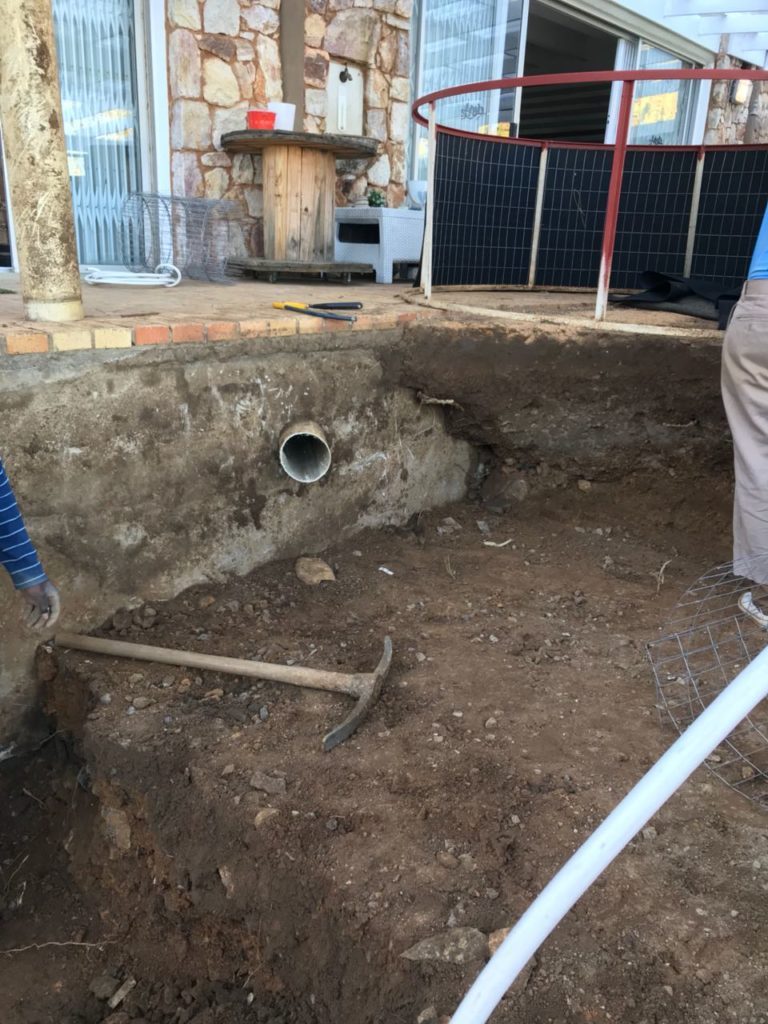
Level & Solid Foundation: The surface must be perfectly level and exceptionally strong. Concrete slabs are ideal. Compacted sand or gravel bases require expert engineering to ensure they won’t shift or settle unevenly under the immense weight (water + structure + people). Never install directly on soil, grass, or unstable decking.
-
Load-Bearing Capacity: Consult an engineer or your Jacuzzi installer to confirm your chosen location and base can support the filled weight of your specific Rim Flow Jacuzzi (often exceeding 2,000 kg per square meter).
-
Drainage: Ensure water splashed out or from rain drains away from the base to prevent erosion or undermining. A slight slope away from the Jacuzzi on surrounding surfaces is often recommended.
-
Access: Consider future access for maintenance or potential repairs. Leave adequate space around the Jacuzzi perimeter.
-
Weight is Paramount:
-
Calculate Total Load: Accurately calculate the surface area needed to support the immense weight of the filled Jacuzzi, plus occupants.
-
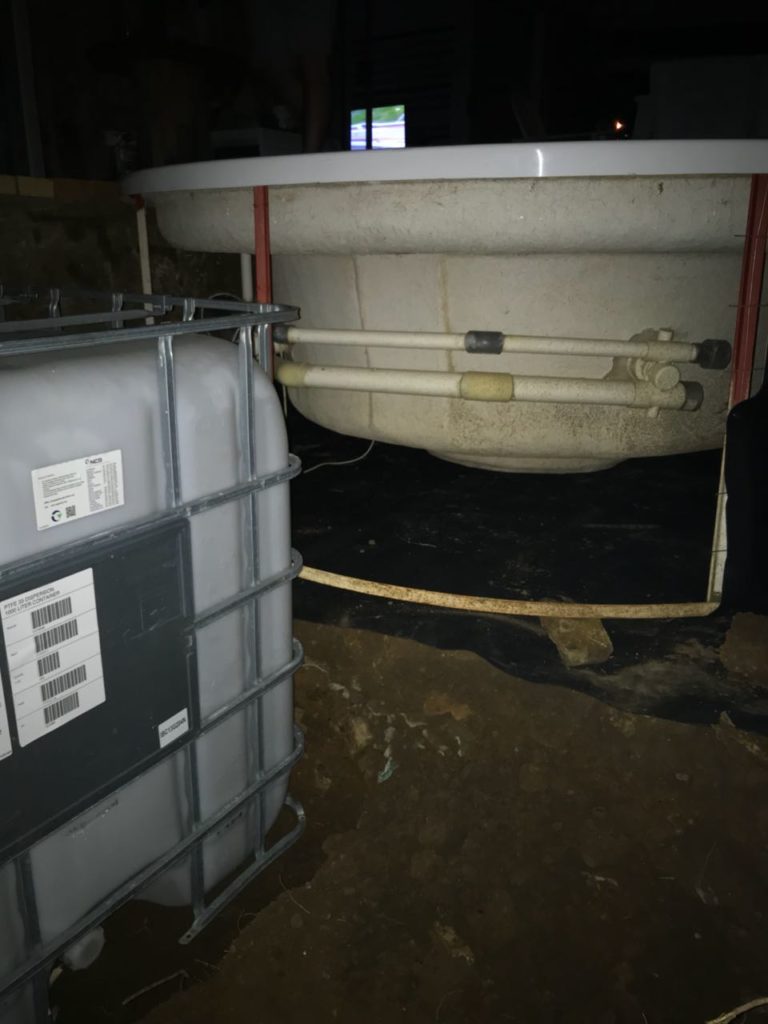
The Essential Tank: Remember the separate 1000 Liter Rim Flow tank. Its location must be planned close to the Jacuzzi itself during surface prep, adding to the footprint and load considerations.
-
Foundation Strength: The surface MUST be perfectly flat and engineered to handle this significant, concentrated weight. Concrete slabs are the gold standard. Compacted bases require expert assessment. 2000 kg.
-
-
Plan for Finishing & Access:
-
Leave Ample Space: Crucially, leave sufficient space around the Jacuzzi perimeter for your planned finishing work (e.g., building, decking, paving, cladding).
-
Installation Sequence Warning: If doing finishing work FIRST, double and triple-check the calculated spacing. An undersized opening means you cannot physically insert the Jacuzzi later, causing major delays and costs.
-
-
Protect Municipal Infrastructure:
-
Locate & Secure Utilities: Before any digging or construction, identify ALL underground municipal pipes (water, sewer) and wires (electrical, telecom).
-
Reroute if Necessary: Have qualified professionals reroute or properly secure any utilities in the work area.
-
High-Stakes Warning: Damaging municipal infrastructure can lead to massive repair costs (thousands of Rands), service disruptions, and serious future liabilities. Never assume locations; get official plans.
-
-
Johannesburg Ground Advantage:
-
Stable Foundation: Good news for Johannesburg installations! The natural ground here is typically firm and very stable, meaning less extensive ground preparation (like deep excavation or major soil stabilization) is often required compared to other regions, provided the surface itself meets the weight and level requirements.
-
Placing Your Jacuzzi: Ensuring Lifelong Support & Efficiency
1. The Critical Foundation: River Sand (Recommended Best Practice)
-
Optimal Material: Use river sand as your primary support base. Its natural properties prevent compaction and settling over time.
-
Lifelong Stability: When placed correctly under the Jacuzzi’s foot-well, it creates a stable, non-shifting foundation that lasts for the life of your spa.
-
Avoid Sagging: Unlike other materials, river sand maintains integrity, ensuring your Jacuzzi shell never develops stress cracks from uneven support.
2. Alternative: Concrete Base (With Essential Precautions)
-
Plastic Barrier Required: If using concrete, always cover the entire surface with thick plastic sheeting before placing the Jacuzzi.
-
Why It Matters: This barrier prevents the acrylic shell from bonding to the concrete. Without it, future removal could crack the shell or damage the base.
-
Focus on the Foot-Well: Ensure concrete support is concentrated under the Jacuzzi’s deepest structural point (the foot-well) where weight is greatest.
3. Balancing Tank Placement: Maximize Efficiency
-
Proximity is Key: Position the Rim Flow balancing tank as close as physically possible to the main Jacuzzi shell.
-
Critical Reason: Minimizes heat loss as water circulates between the tank and Jacuzzi. Even short pipe runs lose significant warmth without insulation.
-
Energy Savings: Proper placement reduces heating costs and maintains consistent water temperature.
Why Professional Placement Matters:
Correct support (river sand or protected concrete) prevents costly structural damage.
Strategic tank placement directly impacts your long-term energy bills.
Precision ensures pumps work efficiently and the system lasts decades.
Don’t risk shell cracks, energy waste, or future removal nightmares. Trust Johannesburg specialists for flawless Jacuzzi placement.
Connecting the Rim Flow Balancing Tank: The Heart of the System
The balancing tank is absolutely critical for your Rim Flow Jacuzzi’s function. It maintains the signature overflow effect while ensuring efficient, automatic operation. Here’s how it works and what to watch for:
-
Core Function: Water Level Management
-
Overflow Principle: The Jacuzzi itself must be filled to the brim, continuously overflowing into the catchment channel (weir).
-
Tank as Reservoir: This overflowing water is directed into the balancing tank. The tank’s size determines its total capacity.
-
Minimum Buffer: At least 200 Liters of water must ALWAYS remain in the tank. This is non-negotiable for system stability.
-
-
Managing Occupancy (Displacement)
-
People Entering: When bathers enter the Jacuzzi, they displace a significant volume of water (approx. 70-90 liters per person). This displaced water flows out of the Jacuzzi, through the weir, and into the balancing tank.
-
People Exiting: When bathers exit, the water level in the Jacuzzi would drop below the overflow point. To prevent this, water is automatically pumped back from the balancing tank into the Jacuzzi, instantly restoring the full overflow.
-
-
Automatic Top-Up & Seamless Operation
-
Water Loss: Small amounts of water leave with bathers (swimsuits, evaporation).
-
Float Valve Safeguard: An internal float valve constantly monitors the tank level.
-
Auto-Refill: If the level drops below the minimum 200L (due to splash-out or evaporation), the float valve opens, topping up the tank (and thus the system) with fresh water. This ensures maintenance-free operation and consistent overflow.
-
-
CRITICAL WARNING: Float Valve Failure
-
Failure Consequence: If the float valve malfunctions (stuck open), it will continuously pump fresh water into the tank.
-
Overflow Hazard: Since the tank’s inlet (from the Jacuzzi overflow) is constant, this uncontrolled fresh water inflow will cause the tank to overflow uncontrollably.
-
Prevention/Monitoring: Regularly check the tank area for unexplained water. Schedule professional inspections of the float valve mechanism as part of routine maintenance. This is a key failure point to be aware of.
-
Placing your Rim Flow Jacuzzi to get the best view.
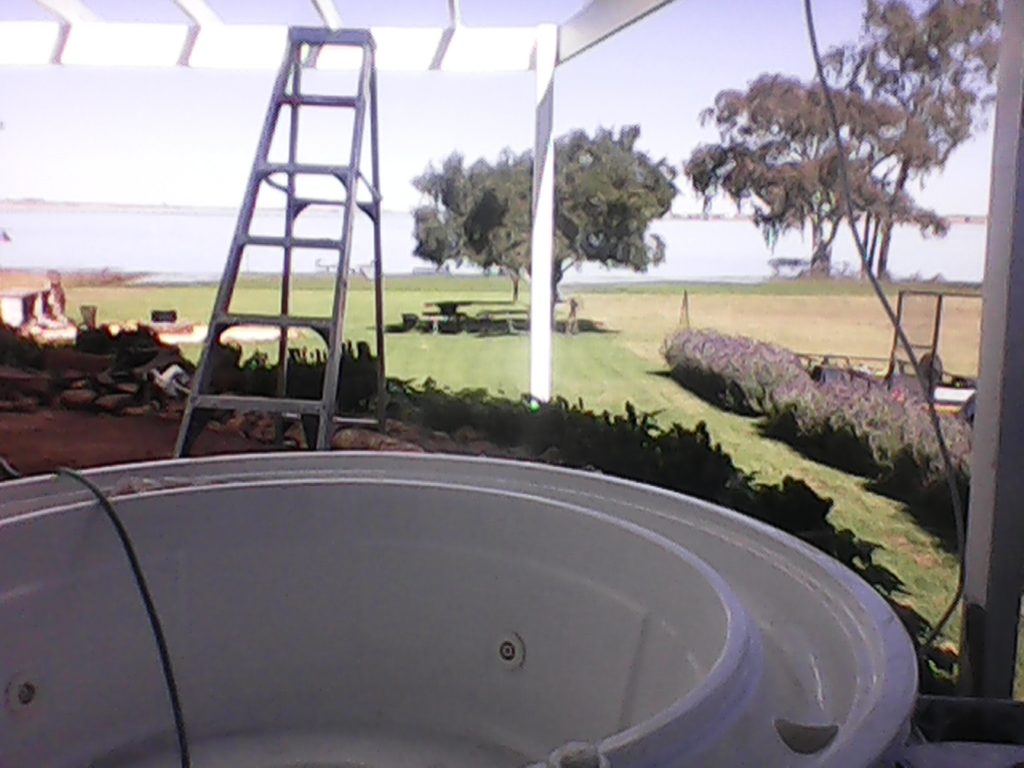
Connecting Rim Flow Pipework: Precision Engineering Required
Integrating the balancing tank, pumps, and jet systems demands expert planning. Here’s what makes this phase critical:
Key Challenges & Solutions:
-
Multi-Pipe Complexity:
-
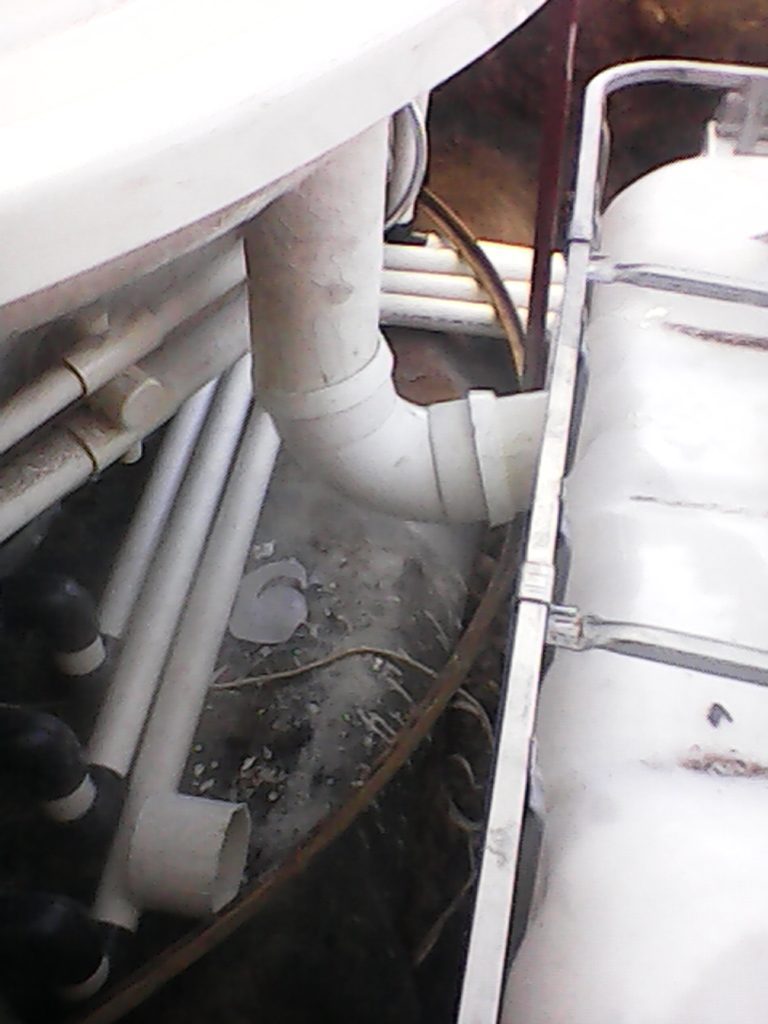
High Connection Count: Expect up to 9 separate pipes for full systems (jets, blowers, heaters, ozone, balancing tank circulation).
-
Function-Specific Routing: Each pipe serves a distinct purpose (suction, pressure return, drain, overflow feed, tank return, etc.).
-
-
Critical System Separation:
-
Dual Hydraulic Systems: The Balancing Tank Circuit and Main Jet/Pump System operate independently. They require:
-
Dedicated Pumps: Separate pumps for tank circulation and jet propulsion.
-
Isolated Plumbing: No shared suction or pressure lines between the tank loop and the jet/feature loop.
-
Individual Controls: Separate controls and often separate filtration paths.
-
-
-
Essential Best Practices:
-
Precise Pipe Sizing: Use manufacturer-specified diameters (e.g., 50mm for main drains/overflows, 50mm for returns). Undersized pipes cause flow restriction and pump strain.
-
Label Everything: Clearly label both ends of every pipe during installation (e.g., “Tank Suction,” “Jet Pump Return,” “Ozone Feed”).
-
Accessible Unions: Install unions near pumps, valves, and the tank for future service access. Gluing everything solid creates repair nightmares.
-
Support & Protection: Secure pipes with proper hangers/clamps. Protect underground pipes from shifting soil or debris. Use 90° elbows.
-
Leak Testing: Pressure test all plumbing before embedding or concealing pipes.
-
Why Professional Installation is Non-Negotiable:
-
Avoid Cross-Contamination: Mixing tank and jet water paths disrupts sanitation and flow dynamics.
-
Prevent Airlocks: Improperly sloped pipes or high points cause airlocks, crippling pumps.
-
Optimize Performance: Correct sizing and routing ensure maximum jet power and efficient tank turnover.
-
Ensure Safety: Faulty suction plumbing poses entrapment risks; leaks cause structural damage.
-
Future-Proofing: Accessible, labeled plumbing cuts repair costs/time by 80%+.
Consequences of Errors:
✘ Reduced jet performance & noisy pumps
✘ Balancing tank overflow/failure
✘ Chronic airlocks & pump cavitation
✘ Costly slab breaks for leak repairs
✘ Voided equipment warranties

Leveling Your Rim Flow Jacuzzi: The Key to Perfect Overflow
⚠️ Why Leveling is Non-Negotiable
-
Equal Overflow Demand: A Rim Flow Jacuzzi must overflow evenly on all sides to function correctly.
-
Consequence of Improper Leveling:
→ Water flows preferentially to the lowest edge
→ Dry spots on higher edges ruin aesthetics
→ Unbalanced hydraulic pressure strains pumps
→ Compromised filtration/skimming performance
🔧 Professional Leveling Protocol
-
Tool Requirements:
-
Use a laser level (not a spirit level) – accuracy under ±3mm across the shell is critical.
-
-
Process:
-
Place the empty shell on the prepared base (river sand/concrete).
-
Measure level at 8+ points along the rim – focus on overflow channel elevation.
-
Adjust base material incrementally – never shim the shell itself.
-
-
Validation Test:
-
Fill the Jacuzzi to overflow point.
-
Verify continuous 360° water sheet – no gaps or pooling.
-
⚠️ The Alberton Knockoff Warning
-
Copied Molds = Flawed Performance:
Certain local manufacturers (notably in Alberton) replicate original Rim Flow molds without engineering refinement. Result:
→ Uneven overflow even when perfectly leveled
→ Chronic dry spots and “dead zones”
→ Structural stress points from poor weight distribution -
The Authenticity Advantage:
Genuine Jacuzzi™ shells:
✅ Precision-engineered molds
✅ Computational fluid dynamics (CFD) testing
✅ Guaranteed 360° overflow when leveled correctly
💡 Pro Installation Tips
-
Pre-Level the Base: Final surface prep must be within 5mm tolerance before shell placement.
-
Test Before Finishing: Conduct overflow test before installing decking/cladding.
-
Document: Photograph level measurements for warranty validation.
✨ Key Insight: A genuine Jacuzzi shell + professional leveling = zero overflow issues. Imitations fail hydraulically regardless of installation effort.
Don’t risk thousands on a flawed shell or amateur leveling.

Critical Finishing Considerations for Rim Flow Jacuzzis
✅ Non-Negotiables for Long-Term Success
-
Expansion Gap
-
Requirement: Maintain a 15–20mm gap between the Jacuzzi shell and all hard finishes (tiling, decking, stonework).
-
Why: Shells expand/contract with temperature changes. Zero gap = cracked finishes or damaged acrylic.
-
-
Access Hatches
-
Requirement: Install lockable, waterproof service panels on at least two sides.
-
Why: 80% of repairs require access to pumps, pipes, or the balancing tank. Sealed finishes = slab demolition later.
-
-
Overflow Channel Protection
-
Requirement: Finishes must sit 5–10mm BELOW the overflow rim.
-
Why: Any material overlapping the channel disrupts water flow → stagnant water → algae and system failure.
-
-
Slope Drainage
-
Requirement: All surrounding surfaces (tiles, pavers, decking) must slope away from the Jacuzzi (2–3% gradient).
-
Why: Prevents stormwater/seepage from flooding the balancing tank or electrical compartment.
-
✋ Costly Mistakes to Avoid
| Error | Consequence | Repair Cost |
|---|---|---|
| Grouting against shell | Cracked acrylic & tile delamination | R8,000–R20,000+ |
| No service access | Demolish deck/tiles for simple repairs | R15,000–R40,000 |
| Finishes over overflow rim | Chronic leaks, pump burnout | R6,000–R12,000 |
| Flat surrounding surfaces | Water pooling → wood rot/electrical damage | R10,000–R25,000 |
🛠️ Pro Finishing Techniques
-
Decking: Use composite or kiln-dried hardwood (never green lumber). Secure boards with stainless steel fasteners.
-
Tiling: Apply flexible silicone sealant (not grout) between tile and shell. Use crack-isolation membranes.
-
Stone/Paver Surrounds: Install on separate footing (not bonded to Jacuzzi base). Include perimeter drainage channel.
-
Planting Zones: Keep landscaping ≥500mm away. Root intrusion cracks pipes; debris clogs overflow grates.
💡 Johannesburg-Specific Tips
Soil Movement: Highveld clay soils shift seasonally → reinforce sub-base with geotextile fabric under finishes.
UV Protection: Use UV-stable sealants/composites. Standard silicones crack within 18 months in Gauteng sun.
Termite Risk: Treat wooden substructures with borate preservative (common in Jo’burg suburbs).
🔚 Final Pre-Finish Checklist
-
Verify overflow operation with 360° water sheet test.
-
Pressure-test ALL plumbing (pumps, tank, heaters).
-
Confirm electrical compliance with SANS 10142-1.
-
Photograph pipes/wiring routes before concealing.
“A R5,000 finishing oversight can trigger R50,000 in repairs. Plan like a pro—build once, last forever.”
Trust Johannesburg Rim Flow specialists.
.

Decking vs. Built-In Finishes: Key Considerations
| Factor | Decking (Recommended) | Built-In (Tile/Stone) |
|---|---|---|
| Maintenance Access | ✅ Easy removal of modular sections | ❌ Demolition required (destroys finish) |
| Cost of Future Repairs | Minor (lift panels → access pumps/tank) | Major (R15k–R50k+ for slab breaks) |
| Johannesburg Climate | ✅ Drains quickly; resists soil shift | ❌ Cracks if sub-base shifts (clay soil) |
| Shell Protection | ✅ Gap naturally maintained (no pressure) | ❌ Risk of grout/sealant bonding to shell |
| UV/Termite Resistance | ✅ Use composite decking (zero rot) | ❌ Grout degrades; requires resealing yearly |
Critical Rules for Safe Finishing
-
The 24-Hour Access Rule
-
Ensure every pump, pipe union, and the balancing tank is reachable within ≤24 minutes of work.
-
Decking solution: Install lift-out panels with waterproof gaskets (size: min. 600mm x 600mm).
-
-
Expansion Zone Management
-
Decking: Leave 15mm gap between boards and shell → conceal with flexible trim.
-
Built-In: Use pre-compressed backer rod + silicone (never rigid grout).
-
-
Waterproofing Hierarchy
-
Slope deck/tile away from shell (2% grade).
-
Install a hidden drainage channel between shell and finish to catch overflow splash.
-
Johannesburg-Specific Tips
-
Decking Material:
→ Composite: Trex® or EverGrain (UV-stable; no warping in Highveld sun).
→ Wood: Siberian Larch (kiln-dried; borate-treated for termites). -
Built-In Survival Tactic:
→ Pour a separate concrete collar (isolated from shell/base) to tile onto → prevents crack transfer.
🚫 Never Do This: Embed pipes/wires in concrete under tiles. Johannesburg soil shifts WILL crack it.
When Removal is Inevitable (Built-In Only)
Plan for disaster recovery:
-
“Demolition Lines”: Install foam spacer boards under tiles along pre-cut lines.
-
Pipe/Wire Markers: Embed tracer wires/QR codes in mortar near critical infrastructure.
-
Warranty Void Warning: Most manufacturers deny claims if shell is enclosed without access.
Pro Verdict:
“Decking isn’t just ‘easier’—it’s insurance. Johannesburg’s soil, sun, and service realities make it the only financially sane choice for Rim Flow owners. If you must build-in, engineer it like a nuclear reactor access hatch.”

We service the following areas:
Northern Suburbs:
Sandton, Randburg, Rosebank, Bryanston, Fourways, Rivonia, Parktown, Parkhurst, Houghton Estate, Craighall Park, Dunkeld, Illovo, Melrose, Melrose North, Morningside, Sandhurst, Hyde Park, Lone Hill, Dainfern, Douglasdale
Central/Eastern Suburbs:
Braamfontein, Hillbrow, Berea, Yeoville, Houghton Estate (also North), Troyeville, Lorentzville, Bertrams, Observatory, Linksfield, Norwood, Orange Grove, Orchards, Bellevue, Bellevue East
Southern/Western Suburbs (including Soweto):
Soweto (Orlando, Diepkloof, Pimville, Meadowlands, Protea Glen), Rosettenville, Turffontein, Glenanda, Southdale, Oakdene, Bassonia, Mulbarton, Mondeor, Naturena, Ennerdale, Lenasia, Eldorado Park
Western Suburbs:
Roodepoort, Florida, Constantia Kloof, Northcliff, Fairland, Weltevreden Park, Helderkruin, Strubens Valley, Wilgeheuwel, Allen’s Nek, Honeydew, Cresta
Eastern Suburbs/Modderfontein Area:
Edenvale, Bedfordview, Modderfontein, Greenstone, Bartlett, Germiston (note: Germiston is a separate city but within Ekurhuleni Metro adjacent to JHB)
Far Northern Areas (within JHB Metro):
Midrand, Kyalami, Blue Hills, Noordwyk, Vorna Valley, Sunninghill, Paulshof, Dainfern (also North)
If you would like to find out more about who we are and why we say we are Professionals, then please click here…
-
Jacuzzi Shell:
-
Role: The foundation and bathtub itself. It holds the water and supports all other components. Made from durable, waterproof materials (like acrylic or fiberglass-reinforced composite) designed to withstand water, heat, chemicals, and user weight.
-
How it Works: Provides the structure, water containment, and seating/lying surfaces. All jets, drains, and returns are plumbed directly into it.
-
-
Jacuzzi Hydro Therapy Massage Jets:
-
Role: Deliver the therapeutic water and air massage.
-
How it Works: Pressurized water from the jet pump(s) is forced through these nozzles. Many jets have adjustable direction and some have adjustable flow or incorporate air (via the Venturi system) to create different massage sensations (pinpoint, pulsating, swirling).
-
-
Jacuzzi Jet Pumps:
-
Role: Provide the high-pressure water flow that powers the hydrotherapy jets.
-
How it Works: Electric motors drive impellers that suck water from the filter/suction line and push it at high pressure through the plumbing to the jets. Larger spas often have multiple pumps for different jet zones.
-
-
Jacuzzi Lights:
-
Role: Provide underwater illumination for safety, ambiance, and nighttime use.
-
How it Works: Low-voltage, waterproof LED lights are sealed into niches in the shell. They are controlled by the spa’s control system (often via the topside control panel) and can frequently change colors or have different modes.
-
-
Jacuzzi Air Blower:
-
Role: Creates intense bubbling action (like a hot tub “bubble bath”) and can force air into specific jets for a different massage feel.
-
How it Works: An electric fan draws in air and forces it through dedicated air lines connected either to specific air channels in certain jets or to a central air diffuser ring. Note: Different from the Venturi air system which uses water pressure to suck air in.
-
-
Jacuzzi Filters:
-
Role: Trap dirt, debris, oils, and other contaminants to keep the water clean and protect the pumps and heater.
-
How it Works: Water is constantly drawn through the filter cartridges (made of pleated fabric or paper) by the jet pumps and circulation pump. Debris gets trapped on the filter media. They require regular cleaning and periodic replacement.
-
-
Jacuzzi Electrical Distribution Box (Load Center / Control Box / Pack):
-
Role: The central nervous system and power hub of the spa. Contains circuit boards, relays, transformers, fuses/breakers, and wiring terminals.
-
How it Works: Distributes power safely to all components (pumps, heater, blower, lights, controls). The main circuit board processes signals from thermostats, controls, and sensors to turn components on/off automatically (e.g., activating heater when temp drops, running filtration cycles).
-
-
Jacuzzi Venturi System:
-
Role: Mixes air with the pressurized water stream at the jet to create a softer, more voluminous, and oxygenated massage effect.
-
How it Works: As high-pressure water rushes through a constriction in the jet nozzle, it creates a low-pressure zone that sucks air in through a small air intake valve (often adjustable) located near the jet on the spa shell. The air and water mix just before exiting the jet.
-
-
Jacuzzi Bellow Buttons (Bellows Buttons):
-
Role: Simple mechanical air controls usually located near specific jet groups on the spa shell.
-
How it Works: Pressing the button pushes a rubber bellows, forcing a puff of air directly into the jet’s water stream via a dedicated air line. This provides a temporary burst of bubbles or intensifies the jet action for that specific area. (Often simpler than the Venturi air controls).
-
-
Jacuzzi Two-Way and Four-Way Air Switches:
-
Role: Topside controls that activate/deactivate major functions like the jet pumps and air blower using air pressure instead of electricity for safety.
-
How it Works: Pressing a button pushes air down a small plastic tube connected to a pneumatic switch (diaphragm) inside the control box. The air pressure moves the diaphragm, which actuates electrical micro-switches that signal the control board to turn the corresponding component on or off.
-
-
Jacuzzi Waste Valve (Drain Valve):
-
Role: Allows you to completely drain the spa water for cleaning, maintenance, or winterization.
-
How it Works: Typically a simple manual ball valve or gate valve plumbed into the lowest point of the spa’s plumbing system (often near the pump/filter area). Opening it allows water to gravity-drain out through a connected hose bib.
-
-
Jacuzzi Thermostat:
-
Role: Monitors the water temperature and signals the control system when heating is needed.
-
How it Works: A temperature sensor (often a thermistor) immersed in the water flow (usually near the heater) constantly reads the temperature. It sends this data to the control board. If the temp is below the set point, the board activates the heater.
-
-
Jacuzzi Water Heater:
-
Role: Heats the spa water to the desired temperature.
-
How it Works: Water is circulated through a heating element (electric resistance coil, often titanium) or over a heat exchanger (for gas or heat pump systems) by the circulation pump or jet pump. The thermostat controls when the heater turns on/off. A high-limit thermostat acts as a safety shut-off if temperatures get dangerously high.
-
-
Jacuzzi Covers:
-
Role: Insulation, safety, debris protection, and evaporation reduction.
-
How it Works:
-
Insulation: Traps heat rising from the water surface, significantly reducing heating costs and maintaining temperature.
-
Safety: Provides a physical barrier, especially crucial for preventing unsupervised children/pets from falling in.
-
Debris: Keeps leaves, dirt, rain/snow, and insects out of the water.
-
Evaporation: Minimizes water loss and reduces humidity around the spa.
-
Chemical Retention: Helps prevent chlorine/bromine from dissipating quickly.
-
-
This interconnected system works together to provide clean, warm, pressurized, massaging water in a safe and comfortable environment. The control box acts as the brain, coordinating the pumps, heater, and blower based on user input (switches, buttons) and sensor readings (thermostat). Water circulates constantly through the filter and heater, while jets and blowers provide the therapeutic experience.